
Table of contents


Compression neuropathies

What Are Compression Neuropathies?

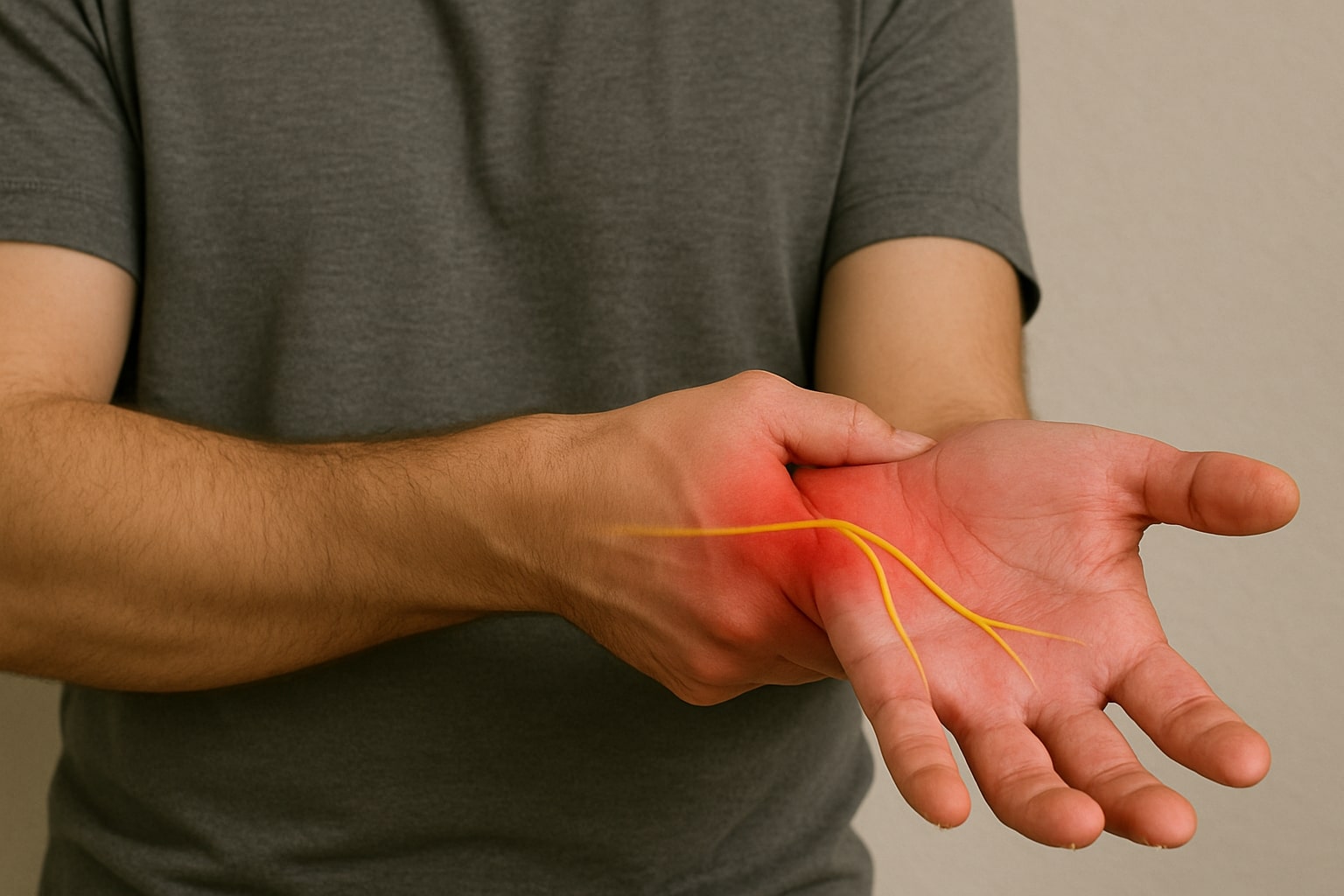
Compression neuropathies are nerve conditions caused by abnormal or excessive pressure on peripheral nerves. This compression can lead to chronic symptoms that affect quality of life and may not resolve with conservative medical treatment.

Understanding Compression neuropathies


Common Causes and Triggers

  • Anatomical abnormalities
  • Physical trauma or surgical injury
  • Diabetes
  • Nerve entrapments in extremities
  • Long-term pressure from surrounding tissues

Common Presenting Symptoms

Patients may experience a combination of the following:

  • Numbness or tingling ("pins and needles")
  • Muscle weakness in hands or feet
  • Pain, burning, or electric-like sensations
  • Loss of fine motor skills
  • Symptoms that persist over 3 months despite standard medical care

These symptoms often appear in association with:

  • Carpal Tunnel Syndrome
  • Cubital Tunnel Syndrome
  • Radial Tunnel Syndrome
  • Tarsal Tunnel Syndrome
  • Thoracic Outlet Syndrome
  • Meralgia Paresthetica
  • Peroneal Neuropathies

Initial Treatments

Most patients initially receive:

  • Pain medications (e.g., NSAIDs)
  • Physical therapy
  • Observation and symptom monitoring

However, these approaches often fail because they do not address the actual cause—nerve compression.


Diabetic Neuropathy

Patients with diabetes often experience chronic nerve compression in upper and lower extremities. Nerve decompression may provide relief where traditional diabetic neuropathy treatments fail.

Importance of Timely Intervention

Delays in nerve surgery can worsen outcomes:

  • Recovery is inversely related to injury severity
  • Early referral improves clinical outcomes
  • Mackay et al., Annals of Plastic Surgery, 2021

Patient Awareness Gaps (Survey Findings)

A large group of chronic nerve pain sufferers reported:

%

felt they should have been referred sooner

%

were never told nerve surgery was an option

%

were told nothing could be done

%

were told the nerve would recover on its own over time

Insurance Barriers

Despite peer-reviewed evidence, many insurance companies classify nerve surgery as “experimental,” resulting in coverage denials and prolonged suffering.


Quality of Life and Medication Dependence

Studies by Dr. Ducic and Felder (2021–2022) show that nerve surgery:

  • Improves patient-reported quality of life
  • Significantly reduces opioid and other medication use
    Alleviates long-term financial burdens for chronic pain patients

When to Seek Surgical Evaluation

If you've experienced:

  • Persistent numbness, tingling, or motor weakness
  • Symptoms lasting over 3 months despite conservative care

...then a peripheral nerve surgical evaluation may be appropriate.

Still in pain after surgery or trauma?

It might be nerve-related. Schedule a consultation and get an expert evaluation.
Copyright © Since 2020 Dr. Ducic Plastic & Nerve Surgery. All Rights Reserved